Loading...
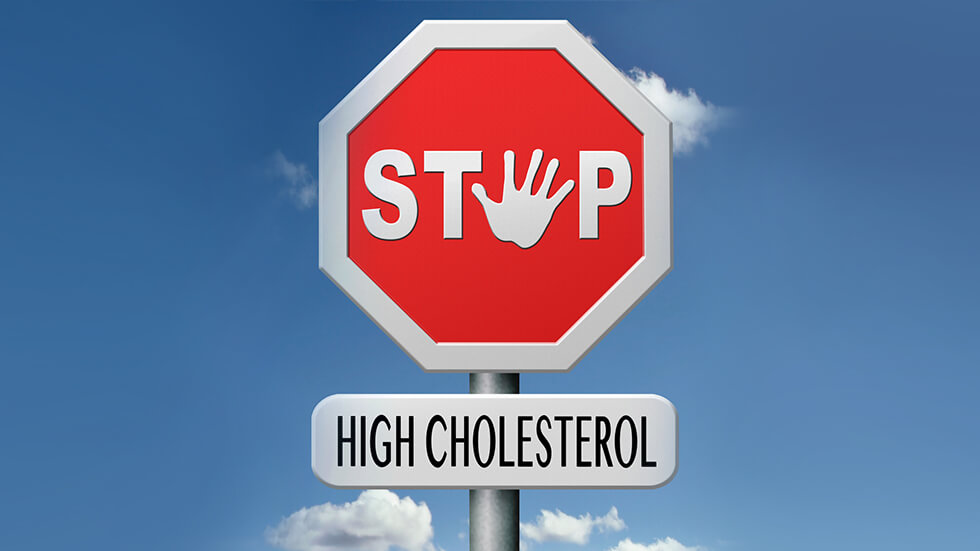
Cholesterol is vital for the formation of healthy cells membranes, certain hormones, and vitamin D. It has a waxy fat like texture. However, when a high level of low-density lipoprotein (bad cholesterol) gets accumulated in the blood vessels, it causes high cholesterol, which if left untreated can lead to the chances of developing heart disease.
So if you’ve been diagnosed with high cholesterol, you need to retool your daily routine and eating habit to make them healthier. But before we delve down to discuss a cholesterol-friendly lifestyle, let us know more about cholesterol, its types, what are the causes of high cholesterol, and how high cholesterol can lead to heart disease and heart attack chances.
When there is too high level of bad cholesterol (low-density lipoprotein) or too low level of HDL (high-density lipoprotein) in your blood, fatty deposit builds up in the arteries thus making it narrower to carry oxygenated blood to the heart. This can cause a condition called atherosclerosis – a form of heart disease.
If total cholesterol levels reach 240 mg/dl and above, and it is left untreated for long, it raises the chance of blockage in the heart which may result in sudden heart attack.
Cholesterol is primarily classified into four types:
Many lifestyle factors such as smoking, consumption of diet rich in saturated and trans fat such as red meat, packaged foods like baked cookies, crackers, popcorn, soups with high sodium and sugar content, and lack of exercise, as well as presence of underlying condition, such as obesity, high blood pressure, diabetes are the factors that contribute to your risk of high bad cholesterol.
Some warning signs of high cholesterol are extreme fatigue, shortness of breath, pain in the neck, jaw, chest, upper abdomen, or back, and numbness or coldness at most of the time. Consult a doctor at the first sign to avoid any unwanted risk.
For healthy functioning heart, the total cholesterol level should remain less than 200 mg/dl. While for people with heart disease, the LDL cholesterol should be always less than 70 mg/dl.
If you’re on a high cholesterol medication, you should never stop or skip on your prescribed drugs for cholesterol or hypertension , without consulting your doctor – , as it can increase your risk for heart attack or other cardiovascular events to two-fold.
If in any circumstances you forget or fail to take a dose, take it as soon as you remember. But, if it’s almost time for your next dose instead eating two doses to make up for the one you missed, start again with your regular dosing schedule with the next dose.
When it comes to health, it largely depends on the lifestyle. Here’s what you should do to lower your cholesterol and heart disease risk:
Make smart choices now to set yourself up for a balanced cholesterol and healthy heart down the road.


Disclaimer: All patient profiles appearing on the website are fabricated and models only. Photographs used are for visual representation only and are not actual patients.